Why Intuitive Eating Doesn't Work for Runners (and What Does)
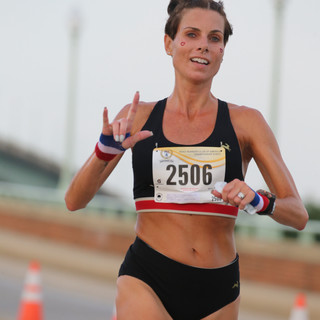

Intuitive eating is a popular approach that encourages listening to your body's hunger cues rather than following strict diet rules. However, for runners, this method might not always align with their nutritional needs. Here's why intuitive eating may fall short for runners and what strategies can better support their performance and health.
The Challenges of Intuitive Eating for Runners
1. Increased Energy Demands
Runners have higher energy requirements due to their intense training schedules. Intuitive eating might not provide the necessary structure to ensure adequate calorie intake, leading to energy deficits and decreased performance.
2. Timing and Nutrient Timing
For optimal performance, runners need to focus on nutrient timing - consuming the right nutrients at the right times. Intuitive eating doesn't emphasize this, which can result in missed opportunities for recovery and muscle repair.
3. Ignoring Specific Nutritional Needs
Runners require specific nutrients like carbohydrates for energy, protein for muscle repair, and electrolytes for hydration. Intuitive eating may not prioritize these needs, potentially leading to imbalances.
What Works for Runners
1. Structured Meal Planning
Implementing a structured meal plan that aligns with training schedules can ensure runners meet their energy and nutrient needs. This approach helps maintain energy levels and supports recovery.
2. Focus on Macronutrients
Runners should pay attention to macronutrient distribution, ensuring a balance of carbohydrates, proteins, and fats to fuel their workouts and aid recovery.
3. Hydration Strategies
Proper hydration is crucial for runners. Developing a hydration plan that includes electrolytes can prevent dehydration and enhance performance.
4. Consulting with a Sports Nutritionist
Working with a sports nutritionist can provide personalized guidance tailored to a runner's specific needs, helping them optimize their diet for performance and health.
Conclusion
While intuitive eating promotes a healthy relationship with food, it may not fully support the unique demands of a runner's lifestyle. By adopting structured meal planning and focusing on specific nutritional needs, runners can enhance their performance and overall well-being.
Full Episode Details
In this insightful interview, Heather Caplan, a weight-inclusive dietitian and co-founder of Lane 9, discusses the importance of body diversity in sports, the impact of societal beliefs on athlete health, and practical strategies for recognizing when you're eating enough. She shares her journey, the mission behind Lane Nine, and how to build a supportive care team for athletes struggling with REDs and disordered eating.


Comments